What Should You Do About Scratching Above the Bedroom?
Scratching above your bedroom ceiling can point to mice, but check for signs from a safe, accessible spot before opening a ceiling or reaching into an attic. Look for droppings, gnaw marks, and repeated movement near walls; autumn cooling can push rodents to seek shelter indoors, making early checks useful.
At Bonanzaville, USA, historic buildings show how changing building styles create different gaps and hiding places; note your own home’s construction when reporting activity. Dakota Territory Air Museum is a reminder that North Dakota properties span varied settings, so a careful inspection should follow your home’s layout rather than assume every noise has the same source. We can inspect, identify the pest, and explain a treatment plan.
What Can Scratching Above Your Bedroom Ceiling Mean?
Scratching sounds above the bedroom ceiling may come from mice, but the noise alone does not confirm the pest. Listen for a pattern and note the time, location, and whether the sound travels along a wall or across the ceiling. A phone note or simple room sketch helps you give useful details without disturbing the space.
Long, cold winters with prolonged subfreezing temperatures can keep North Dakota residents indoors while mice exploit sheltered routes through buildings. At the Fargo Theatre, a large public building has a different layout from a home, underscoring why an inspection should fit the structure rather than rely on a one-size-fits-all assumption.
Avoid cutting drywall or reaching into an unseen cavity. A ceiling can conceal wiring, insulation, and animal waste.
How Can You Check Without Entering the Ceiling?
Start with a flashlight and look from the floor or a safely accessible attic hatch. Check visible edges, storage areas, and the top of nearby closets for droppings, gnawing, nesting material, or rub marks. Do not handle droppings barehanded or sweep them dry; if you find evidence, keep people and pets away and seek safe cleanup guidance.
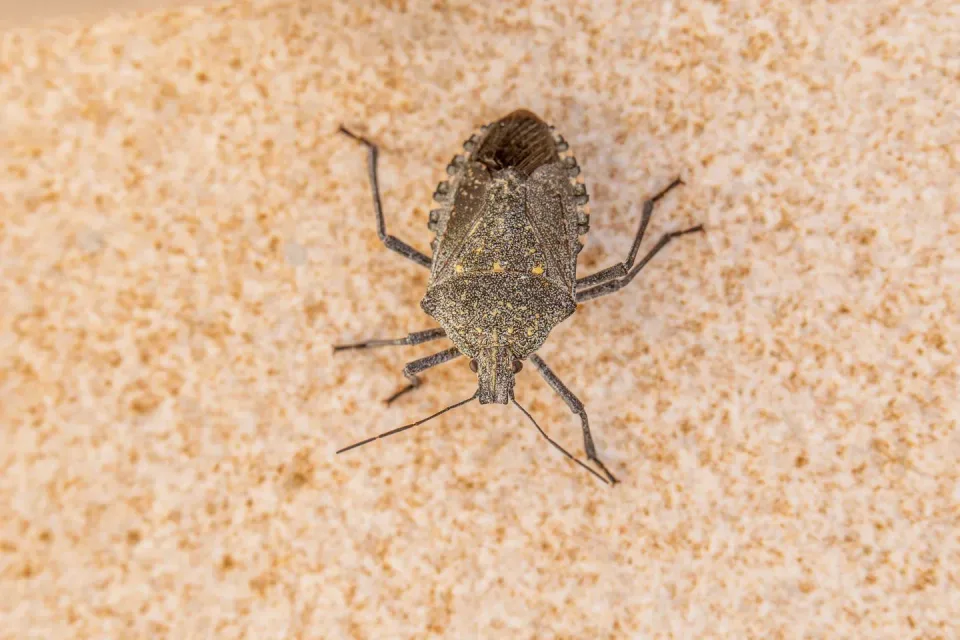
Boxelder bugs gathering on sunny exterior walls in fall are a separate nuisance, not proof that mice are above the ceiling. Their presence can draw attention to exterior gaps worth documenting, but identify each pest before deciding on treatment.
Knife River Indian Villages National Historic Site offers a reminder that buildings and their materials differ; inspect your home’s accessible exterior details instead of assuming a particular entry route. Note any gap, but do not seal a suspected route until you understand whether animals may be trapped inside.
When Is a DIY Check Enough?
A limited check may be reasonable when the noise stops, there are no droppings or damage, and you can inspect accessible areas without climbing or disturbing insulation. Set no bait or trap where children or pets could reach it, and avoid placing products in a ceiling cavity without knowing the pest and the product directions.
The short spring season brings rapid temperature changes, so sounds and animal activity can shift as conditions change; compare observations over several days rather than treating one night as proof. Near Lake Sakakawea State Park, outdoor conditions are not the same as those inside a heated home, so use indoor signs and building evidence to guide your decision. If you see repeated activity, droppings, or chewed material, move from casual listening to a proper inspection.
When Should You Call a Mouse Control Pro?
Call for help when scratching repeats, signs appear in more than one room, or access would require entering an unsafe attic or opening a ceiling. One field detail homeowners often miss is the route: treating one visible spot without tracing activity can leave the entry point open.
We inspect accessible areas, identify the pest, explain findings before treatment, and discuss exclusion where appropriate. Sheyenne National Grassland is a reminder of how broad North Dakota’s outdoor environments are; homes still need an inspection based on their own structure and evidence.
Our Mouse Control service can help you plan a safe next step. If the sound continues, record where and when it occurs, then share those details with the technician.
Which Ceiling Mouse Check Is Right for Your Situation?
For one brief noise with no visible signs, begin with an observation check; repeated evidence or inaccessible spaces call for a professional inspection. Cluster flies may enter buildings before winter, so distinguish visible insects from signs of rodents before choosing a response. In Downtown Minot, older and newer buildings sit within the same community, a useful reminder that inspection plans should suit the individual property.
| Option | Best for | Key detail |
|---|---|---|
| Observe from room | One brief sound, no other evidence | Record time and location over several nights |
| Inspect accessible areas | Safe attic hatch or closet access | Use a flashlight; do not disturb insulation |
| Rodent exclusion and trapping | Confirmed activity and entry routes | Mouse entry gap: about 1/4 inch |
| Professional inspection | Repeated noise or inaccessible ceiling | Checks evidence and likely access points |
Freeze-thaw cycles stress foundations and exterior sealants, so visible gaps may change over time; document them for assessment rather than assuming a single treatment will address every route. Visitors to Enchanted Highway encounter a distinctive outdoor route, but your inspection should stay focused on the home’s actual openings and signs.
How Do You Prepare for a Safe Ceiling Check?
-
Record the sound: Note the room, time, and duration of each scratching episode without opening the ceiling.
-
Check accessible areas: Use a flashlight from stable flooring to inspect visible edges, closets, and an accessible attic hatch; do not enter an unsafe space.
-
Look for evidence: Photograph droppings or gnaw marks from a distance, and avoid touching or sweeping suspected waste.
-
Share access details: When arranging an inspection, provide entry, gate, and parking instructions and identify the rooms where you heard activity.
-
Secure the home: Move stored items away from inspection areas and secure pets before a technician arrives.
-
Discuss concerns: Mention children, sensitive areas, and any suspected activity so the technician can explain the plan before treatment.
Hot, dry spells can drive pests indoors, so include recent indoor signs in your description rather than relying only on the noise. Fort Mandan Overlook State Historic Site is a local point of reference, but the practical task is to give the inspector clear access to your own affected rooms. For homes near Jamestown Frontier Village, as elsewhere, preparation means safe access not disturbing a ceiling cavity.
Ready to Get Help With Ceiling Scratching?
Repeated scratching, droppings, or damage deserve a closer look; a single unexplained sound does not prove mice are present. Take notes, avoid opening the ceiling, and ask for an inspection if activity continues or the space is unsafe to access.
At Chateau de Mores State Historic Site, preservation depends on understanding a building before altering it; the same cautious approach helps protect your home. Cross Ranch State Park and Downtown Fargo reflect very different local settings, while the right inspection always starts with the evidence at the property.
Contact NorthDakota Pest Solutions to discuss what you have found and arrange an inspection. See our Mouse Control service for a practical next step.